
Put the Blame on Eve
What Women Must Overcome to Feel Worthy By Melinda J. Rising
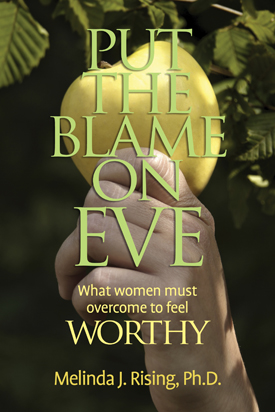
Retail/cover price: $15.95
Our price : $11.16
(You save $4.79!)
About this book:
Put the Blame on Eve
What Women Must Overcome to Feel Worthy
by Melinda J. Rising
How did Eve (and then all women) become a scapegoat for “The Fall of Man”? Rising traces the roots of women’s struggles for equal pay, equal status, and equal respect back to that fateful, eye-opening day . . .
Subjects: Spirituality, Women's Studies, Women's Spirituality, Current Events
6 x 9, paperback, French flaps
176 pages
ISBN 10: 1-936012-47-2
ISBN 13: 978-1-936012-47-3
Of Special Interest
-

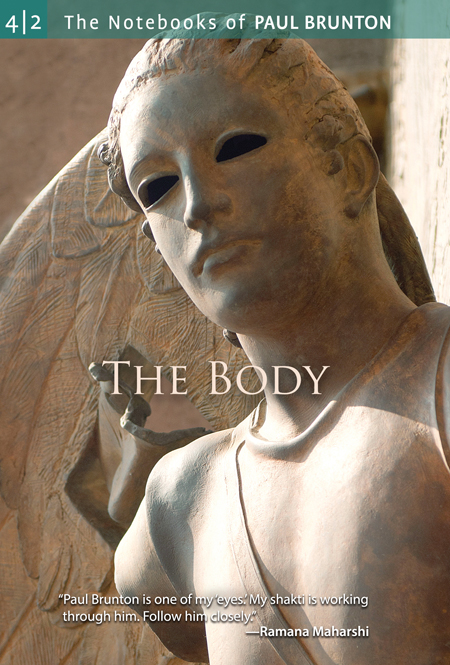
The Notebooks of Paul Brunton
Exclusive to Larson Publications
The highly acclaimed series that sets a new high-water mark for spiritual books.
Learn More -
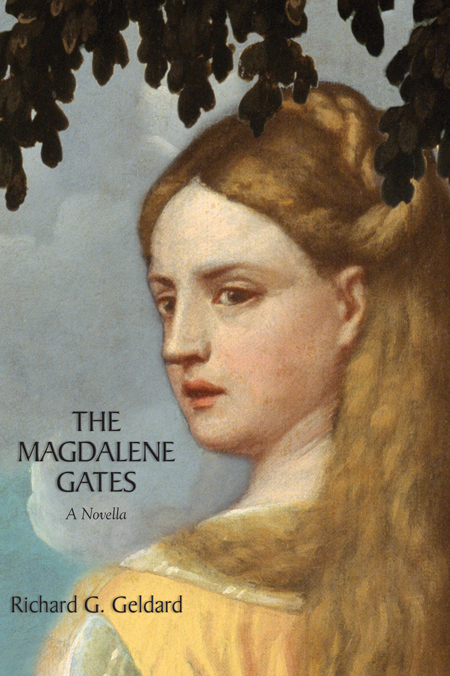
New and timely!
The
Magdalene
Gates
"The book my soul has been thirsting for." —Mirabai Starr
Learn More -

Anthony Damiani (1922–1984)
An introduction to his ground-breaking work
"A truly great man . . . one of my closest spiritual brothers." —Dalai Lama
Learn More -

"Cosmic forces and indomitable power"
Soul Stories
Narrative sculpture — symbols that speak directly to intuition and spirit . . .
Learn More -

A good place to start with Paul Brunton
Perspectives: The Timeless Way of Wisdom
"Paul Brunton was a great original and got to a place of personal evolution that illumines the pathways of a future humanity." —Jean Houston
Learn More -

"A significant contribution" —Publishers Weekly
Ancient Rage
Is the deep life of the feminine duped by the patriarchal god? Will old age alter the intensity of our feeling?
Learn More -

A new I Ching for our time
The Toltec
I Ching
A practical guide to hope, motivation, magic, and enlightenment — for young and old
Learn More -

Lex Hixon (1941–1995)
COMING
HOME
"The single best introductory book ever written on the world's great mystical traditions." —Ken Wilber, on Lex's Coming Home
Learn More -
.jpg)
Our newest Mom's Choice Gold award-winner!
Sharoo: Teen Queen
In this YA sequel to the Eedoo trilogy, Sharoo risks everything in a swirly, chaotic dimension beyond Plash
Learn More -

"breathtaking . . ."
"Invites us to engage in full awareness with the living wisdom of the cosmos." —The Mountain Astrologer
Learn More
Book Details
Put the Blame on Eve follows the roots of women’s struggle for equal pay, equal status, and equal respect back to that fateful, eye-opening day — when Eve met a Serpent by a Tree, and shared an Apple with Adam instead of enjoying it without him.
How did Eve (and then all women) become a scapegoat for “The Fall of Man”? What “spin” on this story made women seem to deserve being held down or back, to be suspected — and often even suspect themselves — of devious intents or deeds? Who fashioned such spin, and how? And why did we ever buy into it?
Melinda Rising’s research into the gnarled roots of sexism and misogyny in our culture — from the Book of Genesis through early Church history, the Crusades, heretic hunting, the Inquisitions, witch hunts, and on into our own century — is startling, inspiring, and ultimately healing. Understanding this story, and seeing what still haunts contemporary women, may be an essential key for progress toward real gender equity in our time.
Click here for a PDF of the Table of Contents and the Prologue of Put the Blame on Eve, by Melinda J. Rising
“Lin Rising’s trailblazing, no-stone-unturned investigation of the history and mythos of the archetypal ‘curse of Eve’ from the book of Genesis through to our own 21st century . . . is a ‘must-read’ for all who envision the ultimate ‘Grail’ of all — a more equitable and just society for men and women today. Fascinating!” —Karen Ralls, PhD, Oxford, UK, author of The Templars and the Grail, and the Knights Templar Encyclopedia
“In Put the Blame on Eve, Melinda Rising has gifted contemporary women (and men) with a much needed handbook of accurate information about women’s historic struggles to rise above the prevailing negative spin of their inheritance as daughters of Eve. She casts light on darker periods of women in world history and Church history, the Crusades, heretic hunting, the Inquisition, and the New World’s witch-hunts, among other dark parts of the backstory . . . and provides a balanced assessment of the history of women. This is a must-read book for writers, public speakers, legislators, and parents wanting to inform and inspire their daughters with hope that we can learn from the mistakes of the past as we work to build a future freed from ancient myths and modern legends about women's alleged inferiority to their brothers, husbands, and co-workers. . . . a book for discerning women and their partners as they thread their way through the cultural minefields of sexist language, negative influences of popular culture and sexual politics, and the deceptive camouflage of feel-good slogans designed to convey false hope. This is a very good read, the story of Everywoman's struggle for equality, with the essential, added value of hope." —Dr. Kathleen McGrory, President Emerita of Hartford College for Women, former Executive Director of the Society for Values in Higher Education at Georgetown University, Dean of Arts and Sciences and Academic VP in the Connecticut State University System
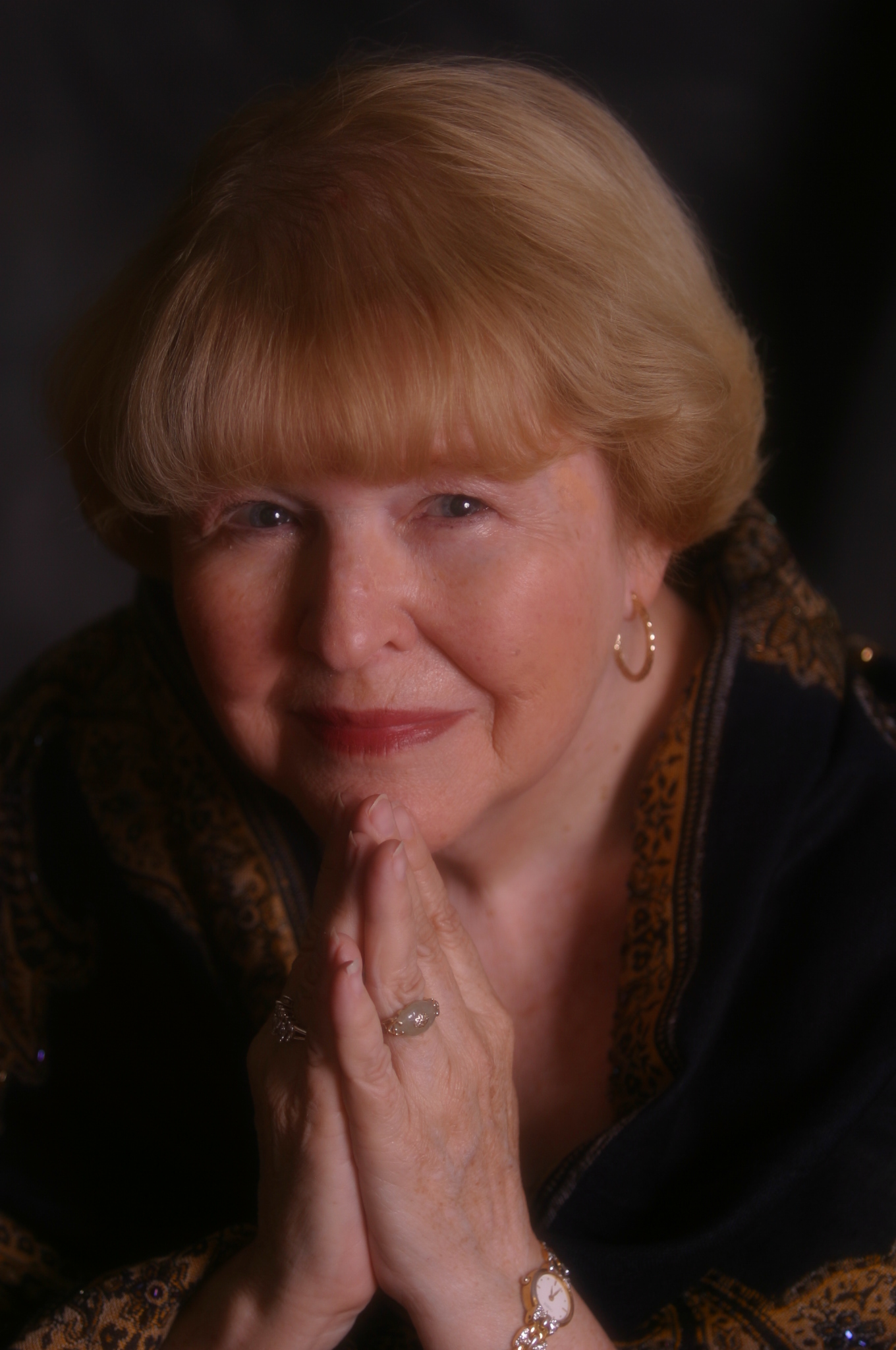
Melinda J. Rising has served as Women’s Issues Chair for the AAUW’s Connecticut chapter, as a commissioner for the New England Association of Schools and Colleges, and as an academic dean and dean of continuing education for a variety of public and private institutions in Connecticut. She also has a twenty-five year affiliation with the Miss America organization, including years of service as co-executive director and president of its Connecticut chapter. She lives in Hebron, Connecticut.
Book Details
Put the Blame on Eve follows the roots of women’s struggle for equal pay, equal status, and equal respect back to that fateful, eye-opening day — when Eve met a Serpent by a Tree, and shared an Apple with Adam instead of enjoying it without him.
How did Eve (and then all women) become a scapegoat for “The Fall of Man”? What “spin” on this story made women seem to deserve being held down or back, to be suspected — and often even suspect themselves — of devious intents or deeds? Who fashioned such spin, and how? And why did we ever buy into it?
Melinda Rising’s research into the gnarled roots of sexism and misogyny in our culture — from the Book of Genesis through early Church history, the Crusades, heretic hunting, the Inquisitions, witch hunts, and on into our own century — is startling, inspiring, and ultimately healing. Understanding this story, and seeing what still haunts contemporary women, may be an essential key for progress toward real gender equity in our time.
Click here for a PDF of the Table of Contents and the Prologue of Put the Blame on Eve, by Melinda J. Rising
“Lin Rising’s trailblazing, no-stone-unturned investigation of the history and mythos of the archetypal ‘curse of Eve’ from the book of Genesis through to our own 21st century . . . is a ‘must-read’ for all who envision the ultimate ‘Grail’ of all — a more equitable and just society for men and women today. Fascinating!” —Karen Ralls, PhD, Oxford, UK, author of The Templars and the Grail, and the Knights Templar Encyclopedia
“In Put the Blame on Eve, Melinda Rising has gifted contemporary women (and men) with a much needed handbook of accurate information about women’s historic struggles to rise above the prevailing negative spin of their inheritance as daughters of Eve. She casts light on darker periods of women in world history and Church history, the Crusades, heretic hunting, the Inquisition, and the New World’s witch-hunts, among other dark parts of the backstory . . . and provides a balanced assessment of the history of women. This is a must-read book for writers, public speakers, legislators, and parents wanting to inform and inspire their daughters with hope that we can learn from the mistakes of the past as we work to build a future freed from ancient myths and modern legends about women's alleged inferiority to their brothers, husbands, and co-workers. . . . a book for discerning women and their partners as they thread their way through the cultural minefields of sexist language, negative influences of popular culture and sexual politics, and the deceptive camouflage of feel-good slogans designed to convey false hope. This is a very good read, the story of Everywoman's struggle for equality, with the essential, added value of hope." —Dr. Kathleen McGrory, President Emerita of Hartford College for Women, former Executive Director of the Society for Values in Higher Education at Georgetown University, Dean of Arts and Sciences and Academic VP in the Connecticut State University System
About Melinda J. Rising
Melinda J. Rising has served as Women’s Issues Chair for the AAUW’s Connecticut chapter, as a commissioner for the New England Association of Schools and Colleges, and as an academic dean and dean of continuing education for a variety of public and private institutions in Connecticut. She also has a twenty-five year affiliation with the Miss America organization, including years of service as co-executive director and president of its Connecticut chapter. She lives in Hebron, Connecticut.

.jpg)

Of Special Interest
-
The Notebooks of Paul Brunton
Exclusive to Larson Publications
The highly acclaimed series that sets a new high-water mark for spiritual books.
Learn More -
New and timely!
The
Magdalene
Gates
"The book my soul has been thirsting for." —Mirabai Starr
Learn More -
Anthony Damiani (1922–1984)
An introduction to his ground-breaking work
"A truly great man . . . one of my closest spiritual brothers." —Dalai Lama
Learn More -
"Cosmic forces and indomitable power"
Soul Stories
Narrative sculpture — symbols that speak directly to intuition and spirit . . .
Learn More -
A good place to start with Paul Brunton
Perspectives: The Timeless Way of Wisdom
"Paul Brunton was a great original and got to a place of personal evolution that illumines the pathways of a future humanity." —Jean Houston
Learn More -
"A significant contribution" —Publishers Weekly
Ancient Rage
Is the deep life of the feminine duped by the patriarchal god? Will old age alter the intensity of our feeling?
Learn More -
A new I Ching for our time
The Toltec
I Ching
A practical guide to hope, motivation, magic, and enlightenment — for young and old
Learn More -
Lex Hixon (1941–1995)
COMING
HOME
"The single best introductory book ever written on the world's great mystical traditions." —Ken Wilber, on Lex's Coming Home
Learn More -
Our newest Mom's Choice Gold award-winner!
Sharoo: Teen Queen
In this YA sequel to the Eedoo trilogy, Sharoo risks everything in a swirly, chaotic dimension beyond Plash
Learn More -
"breathtaking . . ."
"Invites us to engage in full awareness with the living wisdom of the cosmos." —The Mountain Astrologer
Learn More